What to Do When Your Car Battery Doesn't Work
If your engine is not turning over and your car will not start, you could have a dead battery. Here are a few steps to help you check and change a battery.
AutoZone is America's #1 Battery Destination and carries a variety of batteries to fit your needs.

What To Do When Your Car Battery Does Not Work
A vehicle is a complex network of wires, sensors, computer modules, switches, and much more. For your vehicle to operate as designed, it all needs to be in good working order. Because a car battery is a consumable part, meaning that it will naturally degrade over time and with use, it’s often a good starting point to look at for any starting issues you’re experiencing.
Here are some strategies you can try if you can’t get your car started and you suspect it’s a battery issue.
Wait
A little patience might be all it takes to get your car running again. It’s possible that there’s unburned fuel in one or more of the cylinders that have wetted the spark plugs, preventing them from firing and burning the fuel. Continuing to crank the engine in this state will only make it worse, possibly allowing fuel to trickle down past the piston rings into the engine oil. Known as a flooded engine, this condition can often dissipate in about 10 to 15 minutes as the fuel evaporates off of the spark plug.
It’s particularly common in cold weather and for poorly maintained engines in need of a tune-up. You might also need to recharge or maintain the battery.
Cycle the Key
You might need to spark a little energy into components like the starter, battery, and the connections in between if the weather is cold outside. Cold weather reduces kinetic energy in a battery, and any poor connection will get worse as the cold makes it contract. It creates a strain inside the battery that can shorten its lifespan.
Something to try is called ‘cycling the key’ when all you hear is a click rather than the engine cranking over powerfully. In rapid succession, turn the key from the off position to the start position 10 times or so. Don’t hold the key to crank it, but just touch the start position for a brief moment. This can generate heat that jumpstarts the battery’s kinetic energy in some cases. Then, after a few minutes, try starting the engine again. You should notice a difference in cranking speed. If it isn’t successful, try once more before going onto other options.
Jump Start Your Car
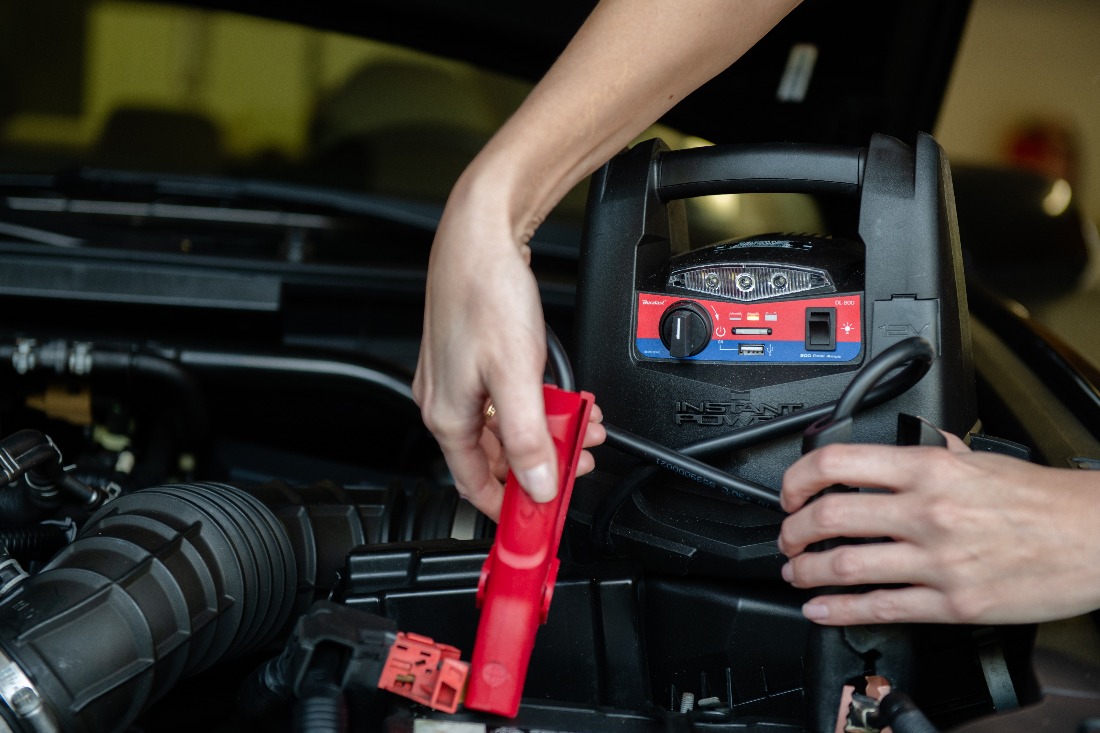
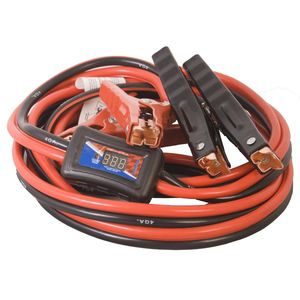
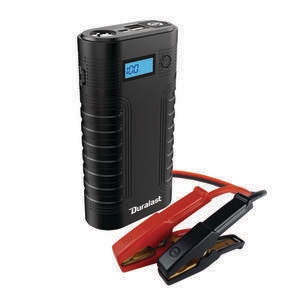
Whether you discover you left your lights on, a door open, or you’re sure the battery’s charge is flat, a jump start can be the ticket to make it fire up. Essentially, you’re using a set of jumper cables to borrow power from another vehicle, but be aware – it won’t correct any underlying causes. Idon’t be surprised if your car struggles to start if you shut it off shortly afterward as the battery needs 15 to 20 minutes of driving to recharge.
The jumpstart process is straightforward. Connect the cables to your dead battery first, then to the donor vehicle. You can read more about how to jump start a car battery here.
Test the Battery
Need to boost the battery often, or do you smell a sulfury, rotten-egg odor when you try to crank the engine over? Or maybe you suspect your battery has seen better days, being over three years of age. It might need to be replaced rather than recharged, and a battery test will prove whether or not that’s the case.
A battery test will check the state of charge, the state of health, and the battery’s ability to receive a charge. It takes only a few minutes, and AutoZone can do it for you in-store on the bench or when it’s still in your vehicle. Check out AutoZone’s Free FixFinder and find out if you need a new battery or if there’s something else going on.
Have the Car Towed
If a jump start won’t work, have the car towed to an automotive repair shop. The technicians there will exchange your car battery for a working one or diagnose the issue for you.
What To Do If Your New Battery Does Not Work
A vehicle’s electronic load today is much higher than in older cars. That’s true in many ways including auto start-stop where the engine shuts off for a short time when you come to a full stop, saving you on fuel costs. However, additional electronics adds more stress on the battery, and that can shorten its lifespan.
If you install a new battery and your car won’t start still, or it occurs again shortly after, there are a couple of things to check:
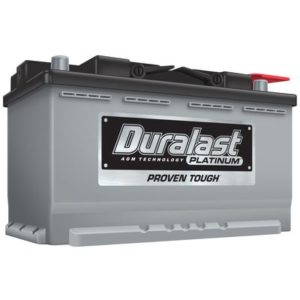
- Did you install the correct battery for your vehicle? While size is a big factor, the battery chemistry is just as crucial. If your vehicle requires an AGM or EFB battery, don’t replace it with a standard lead-acid battery. It doesn’t have the same capacity to support your electronics.
- Is your key fob battery dead? It could be a simple fix of replacing the small coin-sized battery in your key’s remote fob. If it’s dead, it may not be able to communicate the immobilizer code with the vehicle’s theft system, preventing it from starting. There’s usually a workaround for a dead fob, though, so check your owner’s manual if that’s the case.
Whether it’s your battery or anything else, you can get the parts you need at your local AutoZone. If the job is too big for you, seek out one of our Preferred Shops to help you do it.
FAQ/People Also Ask
Related Posts