How to Prepare Your Car for the Extreme Cold
Old Man Winter comes every year to a huge part of the northern states, and he brings with him some seriously bone-chilling temperatures. But don't let the cold weather catch you off guard. With a little bit of preparation, you can ensure that your car is ready to brave the elements and keep you and your loved ones safe on the road.
Usually, preparing for cold weather is part and parcel with routine maintenance, but it becomes more important than ever when it’s considered extreme. There are a few car essentials for winter that will help you weather the storm, and a few good practices can take you the rest of the way.
Suggested AutoZone Products
How to Start Your Car Easily in Extreme Cold
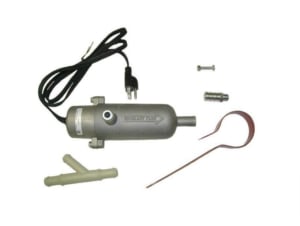
When the temperature is sub-zero, engine oil pours slower and increases the internal resistance to crank. To promote your car starting in cold weather, install an engine block heater or oil pan heater. These devices promote better oil flow by warming the engine ahead of time. If your factory-equipped block heater isn’t working, have it replaced. Plug it in one to two hours before you need to leave.
How to Have Your Car Run Smoothly in Extreme Cold
Once it’s started, keep your engine running well despite the bitterly cold temperatures. Moisture in the fuel can freeze, creating blockages that starve the engine of fuel. You can help prevent fuel lines from freezing by keeping at least half a tank of fuel. Also, gas line antifreeze products can capture water droplets, and one bottle can last for several fill-ups.
Stay Safe in Extreme Cold
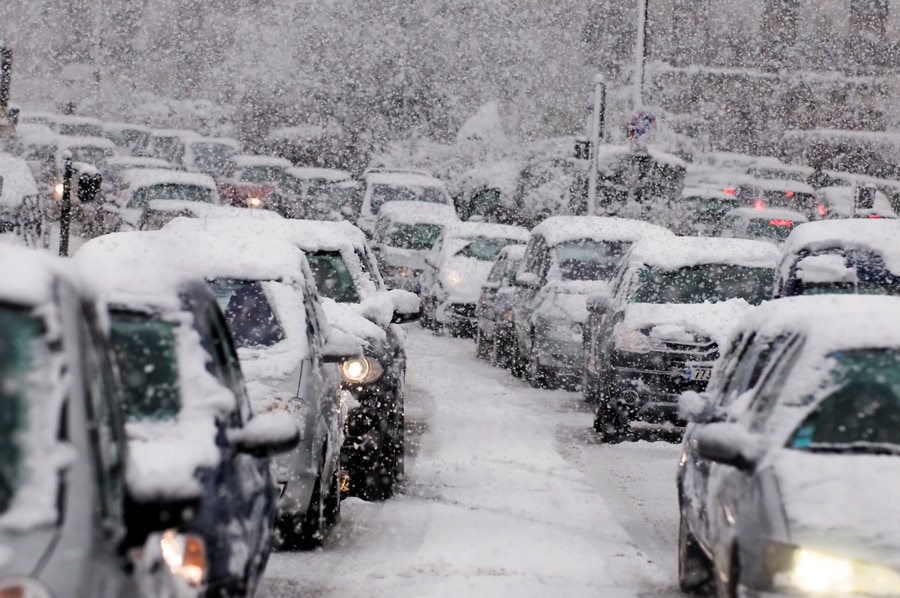
Vehicles are more susceptible to breakdown in the extreme cold, and bad weather events increase the chances of going off the road or getting into an accident. Help often takes hours longer to arrive. To stay safe, keep an emergency kit in your car. For winter, it should have the following items:
- Blankets or sleeping bags to keep warm in case of a breakdown or stranded in bad weather
- A flashlight with extra batteries or a hand-crank flashlight
- Jumper cables or a portable jump starter
- A first aid kit
- A small shovel, ice scraper, and snow brush
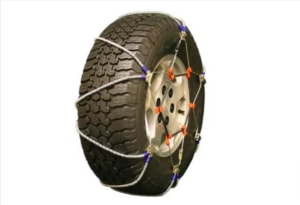
- Tire chains or traction mats
- A bag of sand or kitty litter for added traction
- Non-perishable food and water
- Warm clothing, such as gloves, hats, and boots
- A warning device such as flares or reflective triangle
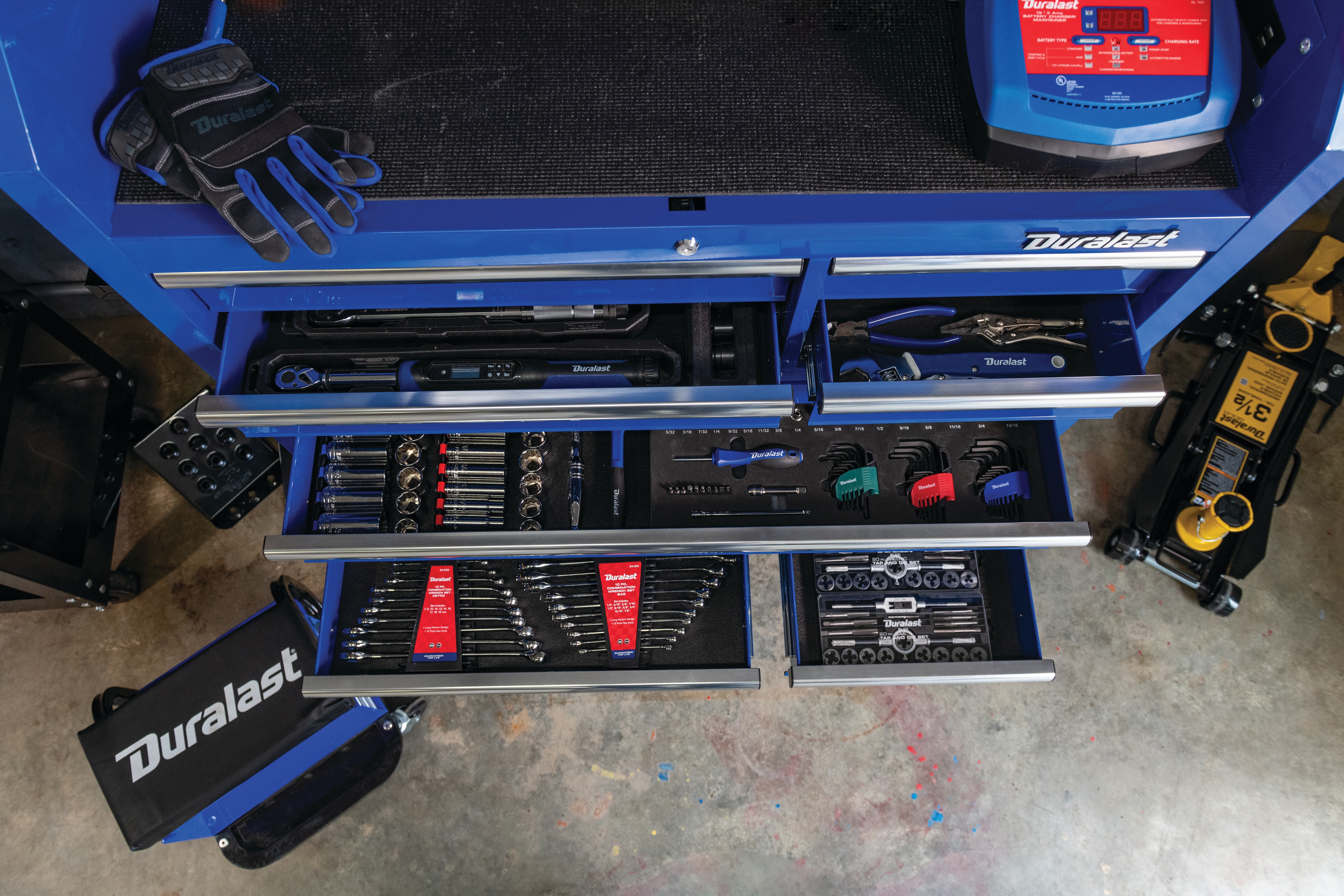
- A basic tool kit including pliers, a screwdriver, and a wrench
- A cell phone charger or power bank
Most items can be used year-round and can be kept in your summer emergency kit too.
Care for Your Car Battery in Extreme Cold
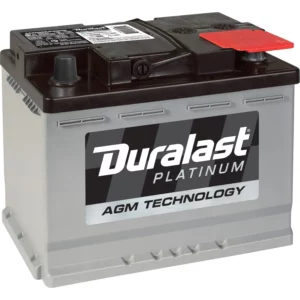
Your battery’s cranking amperage is lower because the kinetic energy inside slows down, and that means your engine will turn over slower than usual. That’s natural. However, if your battery can’t hold enough cold cranking amperage (CCA) anymore, the extreme cold is when it’s going to be a problem and you won’t get started.
Get a free battery test before winter’s worst arrives, and replace the battery if it doesn’t pass its test or it’s marginal. Also, you can add a battery blanket to insulate and heat the battery, keeping the kinetic energy higher.
Protect the Tires in Extreme Cold
In sub-zero temperatures, the tread on an all-season tire is as hard as a hockey puck, and they tend to slide across ice almost as well. If you spin tires on acceleration, it can wear down your tread even faster than normal. Your best bet is to install a set of winter tires or snow tires that have softer rubber compound and more sipes to grip the road. Whether you’re using winter tires or all-seasons, ensure you have at least 4/32nds of tread remaining to help keep your car pointed where you want it to go.
Maintain Proper Fluid Levels in Extreme Cold
A well-maintained car is absolutely crucial in the cold, and that’s primarily related to the fluids. Here’s a good plan for winterizing car fluids:
- At every fuel fill, check and top up the windshield washer fluid with the coldest-rated fluid you can find.
- Check the coolant strength and level, and top it up in the radiator or reservoir.
- Make sure the power steering fluid is full and, if you aren’t sure what shape it’s in, exchange it for cold-weather fluid.
- If the brake fluid is low, top it up. If it’s dirty or milky, it has moisture in it and it should be flushed with clean fluid.
Keep the Windshield and Wiper Blades in Good Condition in Extreme Cold
Last but not least, you need to see where you’re going when you drive. If your windows are constantly fogging up or the wiper blades are leaving uncleared swaths, you put yourself at higher risk of a completely preventable accident.
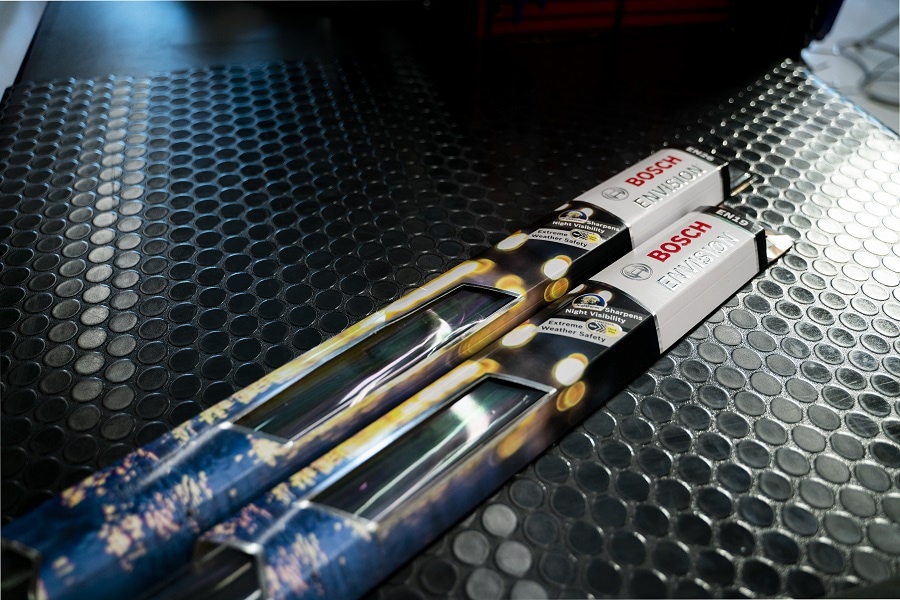
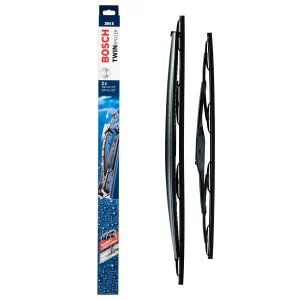
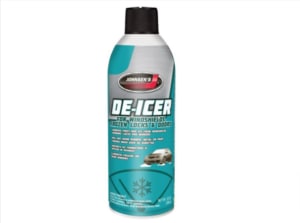
Replace the wipers annually, and inspect each blade for nicks or tears before winter hits. If they freeze to the windshield and tear the edge, don’t wait – install new ones. And help prevent fogged-up or frosty windows by treating them with a windshield de-icer, inside and out.
Driving in the extreme cold is about protecting what you can and being prepared for the unexpected. For everything you need to winterize your car, shop at AutoZone. Find products from top brand names and Trustworthy Advice from AutoZone associates that will keep you motoring at your best, no matter what the thermometer says.
Related : How To Properly Store Your Car In Winter
FAQ/People Also Ask
Related Posts