Where is the Tire Pressure Sensor Located?
A flat tire can derail your plans in a hurry, and fairly recent technology has introduced tire pressure monitoring systems, or TPMS, to identify pressures below what they should be with the idea that you’ll be able to address it before the tire is completely flat.
Tire pressure sensors are a crucial component of your vehicle’s safety and maintenance system and are relatively inexpensive, ranging from around $20 to $80 per sensor, but where exactly are they located? Understanding the placement and function of these sensors is vital to keeping your vehicle operating smoothly and ensuring your safety on the road.
Learn the details of tire pressure sensor locations in passenger vehicles to help you maintain and troubleshoot these devices for optimal vehicle performance.

Introduction to Tire Pressure Sensors
Tire Pressure Monitoring Systems (TPMS) are now virtually standard in modern vehicles, playing a key role in preventing tire underinflation, which is a leading cause of tire failure. Proper tire pressure is not only incredibly important for your safety but also for achieving good fuel efficiency and prolonging the life of your tires.
Sensors operate on common radio frequency identifiers, or RFIDs, including 314.9Mhz, 315Mhz, and 433Mhz frequencies. These sensors continuously monitor the pressure inside your tires and alert you when the pressure falls below a certain threshold. This real-time information can be a lifesaver, enabling you to take action before a potentially hazardous situation arises.
Related: When To Change Snow Tires
Common Tire Pressure Sensor Locations
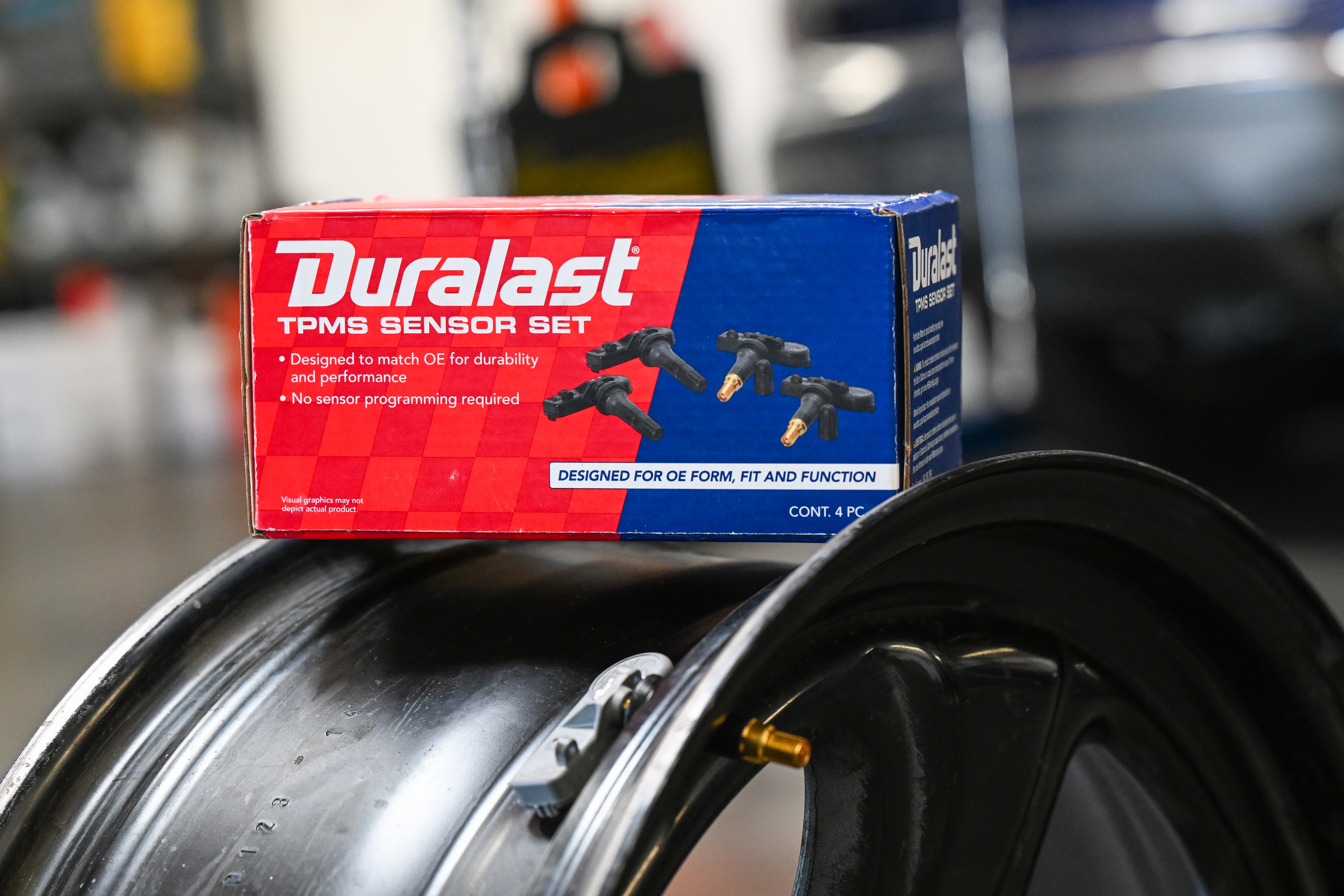
Tire pressure monitoring sensors come in two primary types: direct and indirect. Direct TPMS sensors are located within the tire assembly and directly measure the pressure in each tire, sending this information to the vehicle’s computer. Most direct sensors are attached to the valve stem with the sensor portion inside the wheel. Other sensors are banded to the wheel inside. For direct sensors, you’ll see an accurate pressure for each tire individually, usually displayed on your dash or an information center.
On the other hand, indirect TPMS sensors do not display tire pressure individually. Many use sensors inside the wheel and, when one of them is outside the threshold, it triggers the light, requiring you to check the tires yourself to know which one is low.
A few indirect systems work with the vehicle’s antilock braking system to compare the rotational speed of the tires and deduce pressure from these calculations. As such, they are not physically located in or on the tires themselves.
Related: How Do You Use A Tire Inflator
Identifying Your Vehicle’s Tire Pressure Sensor
When searching for the tire pressure sensor in passenger vehicles, you will most commonly find them mounted inside the wheels, as mentioned. You’ll need the tire off the rim to see the sensor. You’ll either see it:
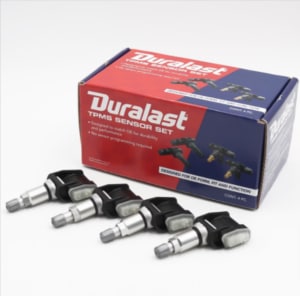
- Mounted on the valve stem – These sensors replace the traditional valve stems and communicate the tire’s pressure to the onboard computer. About the size of a lighter, it’s on the inside where the valve stem comes through the rim. Nissan, Toyota, Honda, Kia, and most other carmakers now use these types of sensors.
- Secured by a band – A strap within the wheel holding the sensor around the circumference is the other common design. Many Ford and Lincoln models used this type of sensor, although it’s far less common now.
If you’re unsure where the sensors are located or how to service them, refer to your owner’s manual or seek professional assistance. Vehicle manufacturers often have specific locations and recommendations for their makes and models, so knowing your vehicle’s particular requirements is essential.
Need to replace a TPMS sensor or want advice on where to find them on your car? Check out AutoZone today where trustworthy advice and friendly service are always available.
FAQ/People Also Ask
Related Posts