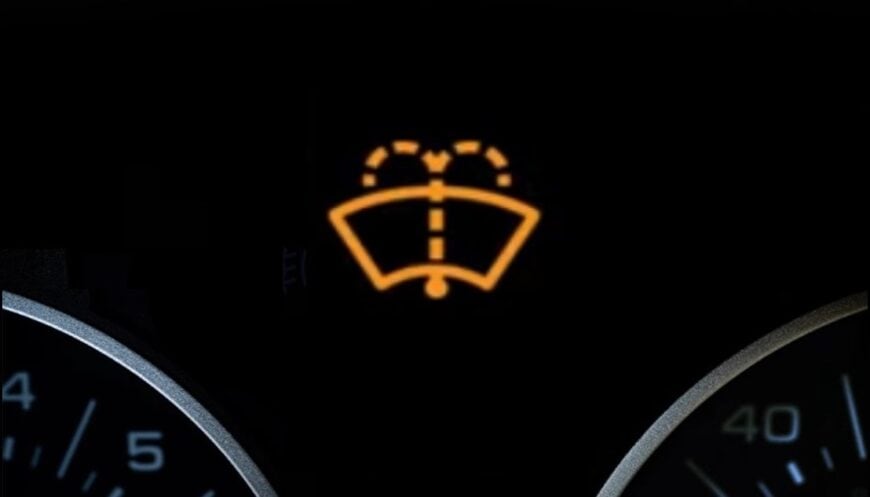
Why is My Wiper Fluid Not Spraying?
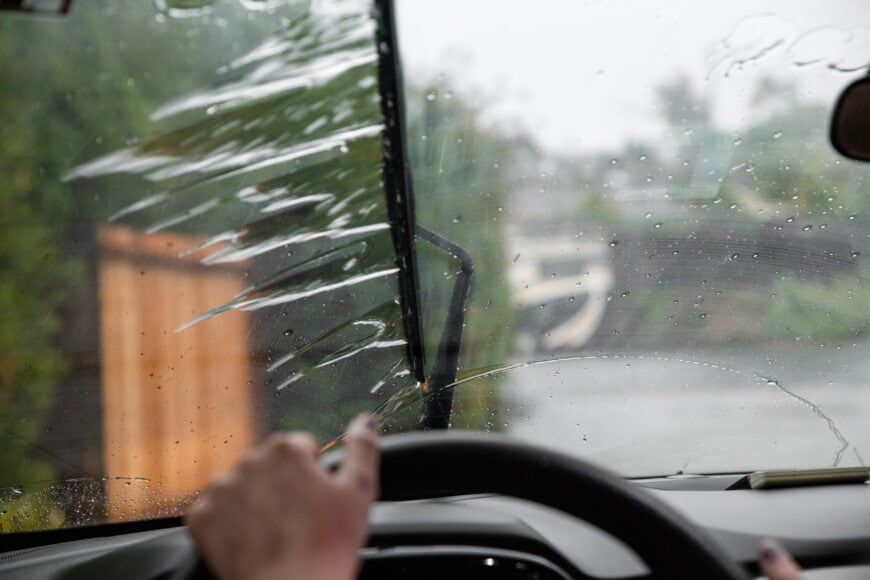
There are few things more frustrating than trying to clear your windshield and realizing your wiper fluid not spraying properly, or not at all. A clean windshield is critical, being able to see all the time, especially in bad weather or dusty conditions.
If you’re dealing with windshield fluid not coming out, don’t worry – it’s usually a pretty simple fix. Here we cover common causes, troubleshooting steps, and DIY fixes you can tackle at home.
Suggested AutoZone Products
Common Reasons Your Wiper Fluid Isn’t Spraying
When you press the button to spray washer fluid, a small pump in the washer fluid reservoir is activated. It draws fluid from the tank and pushes it through thin hoses that route up to your windshield cowl, hood, or wiper arms where it’s dispensed as a mist or stream onto the glass.
Before you jump into repairs, it’s helpful to know what typically goes wrong.
1. Low or Empty Washer Fluid
It sounds obvious, but the first thing to check is your fluid level. If the reservoir is empty, refilling might be the only fix you need.
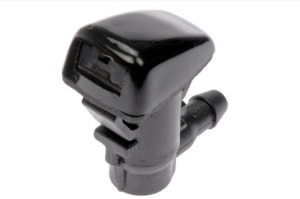
2. Clogged Nozzles
Dirt, wax, or road debris can clog the tiny jets where washer fluid sprays out. You might get just a little dribble or nothing at all coming out. This is a super common cause when your wiper fluid not spraying after a refill situation arises.
3. Frozen Washer Fluid
If you live in a cold climate and aren’t using winter-grade washer fluid, the fluid or even the lines can freeze, blocking the flow. Unfortunately, it can also damage the pump or the reservoir.
4. Faulty Washer Pump
5. Electrical or Hose Issues
Damaged hoses, disconnected fittings, or blown fuses can all prevent fluid from reaching the nozzles. Sometimes the fix is as simple as reconnecting a loose hose or changing a fuse.
Step-by-Step Troubleshooting Guide
Since it’s not an overly complicated system, most DIYers will be able to figure out the root of the issue. Here’s a basic troubleshooting flow you can follow.
Step 1: Check Fluid Levels
Open your hood and locate the windshield washer reservoir cap. It usually has a symbol that looks like a windshield with water spraying on the lid. If it’s low or empty, top it off with high-quality washer fluid.
Step 2: Inspect the Nozzles for Clogs
If you can hear the pump going and you’re getting only a tiny dribble or no flow at all, check the nozzles. You can also disconnect the line at the washer nozzles, activate the pump, and check if there’s any flow coming from the hoses. If there is, the nozzles are likely blocked.
Step 3: Test the Washer Pump
Turn the ignition to “on” but there’s no need to start the engine. Pull the washer lever and listen for the pump motor sound. If you hear nothing, the pump or fuse may be the issue.
Step 4: Examine Hoses and Connections
Inspect the hoses running from the reservoir to the nozzles and look for leaks, cracks, or a connection that’s come apart.
Step 5: Diagnose Electrical Problems
Check the washer pump fuse. If blown, replace it with one of the same amperage. However, a blown fuse often indicates there’s something else wrong, and it could happen again as soon as you try the washers.
To check for a circuit issue, use a multimeter to test continuity between the fuse and the washer pump connection. If there’s no continuity, there may be a worn, corroded, or broken wire that needs to be traced and repaired.
DIY Fixes for Wiper Fluid Issues
Once you’ve diagnosed the problem, it’s time to get your hands dirty.
If you have clogged nozzles:
- Insert a pin carefully into each washer nozzle to dislodge blockages.
- Run washer fluid through the system afterward to flush any debris.
If the fluid has frozen in the reservoir:
- Find a warm place like a parking garage to allow it to thaw.
- Use all-season or winter-grade washer fluid to prevent freezing.
- Avoid using plain water since it freezes easily and doesn’t clean as well.
- You can find top-rated washer fluids at AutoZone, formulated to prevent freezing and leave no streaks.
If the washer fluid pump is faulty:
- Drain the washer reservoir.
- Disconnect the old pump’s electrical connector and hoses.
- Remove the old pump and install a new one.
If there’s a hose that’s broken or leaking:
- Replace cracked or broken hoses with new ones of the same type and diameter.
- Use hose clamps if necessary to secure connections tightly.
Preventative Maintenance Tips
To prevent future washer fluid problems, make it a habit to check and refill your washer fluid at least once a month or before long road trips. This simple step can save you from inconvenient surprises on the road. Keeping your nozzles clean is equally important, and use a clean cloth to wipe away dirt, grime, or other buildup that could clog the spray jets. If you live in a cold climate, using winter-grade washer fluid can protect the system from freezing, reducing the risk of cracked reservoirs or lines. Periodically inspect your system for leaks to catch small problems early before they become major repairs.
Visit your local AutoZone or shop online to find washer fluids, pumps, hoses, and everything else you need to fix your washers and keep your windshield crystal clear.
FAQ / People Also Ask
Related Posts