What Is an Emergency Brake On a Car?
Coming to a stop should be smooth and easy when you press the brake pedal, but there can be times that it doesn’t work quite as well as it should. Although it’s a harrowing situation, a braking system is developed and installed in every vehicle for such an emergency. It’s aptly called an emergency brake.
Discover what an e-brake actually is, how it’s meant to be used, and tips to keep it working as well as it can.
Understanding Your Emergency Brake
The emergency brake, often referred to as the e-brake or parking brake, is a secondary braking system designed to keep your vehicle at a stop or bring it to a stop in a hurry. Unlike the main hydraulic brakes, it operates mechanically. This makes it a reliable backup in case of hydraulic brake failure.
The emergency brake is not just for emergencies. It plays a critical role in parking, especially on slopes. Engaging the e-brake alleviates stress on the transmission and keeps your car from rolling away, providing an added layer of safety.
You might hear different terms like “parking brake,” “handbrake,” or “e-brake.” Regardless of the name, their function remains the same, which is keeping your car immobile when parked and serving as a backup brake system.
There are a few different styles of e-brakes used in cars today and over the years:
- Hand lever emergency brakes are the most common type, typically found between the driver’s seat and the front passenger seat. To engage it, simply pull the lever upward. Releasing it usually involves pressing a button at the end of the lever while pushing it down.
- Foot pedal emergency brakes are usually located on the far left side of the driver’s footwell. To engage it, press the pedal down until it locks into place. To release it, you generally have to pull a small lever above the pedal, although some designs require pressing the pedal a second time.
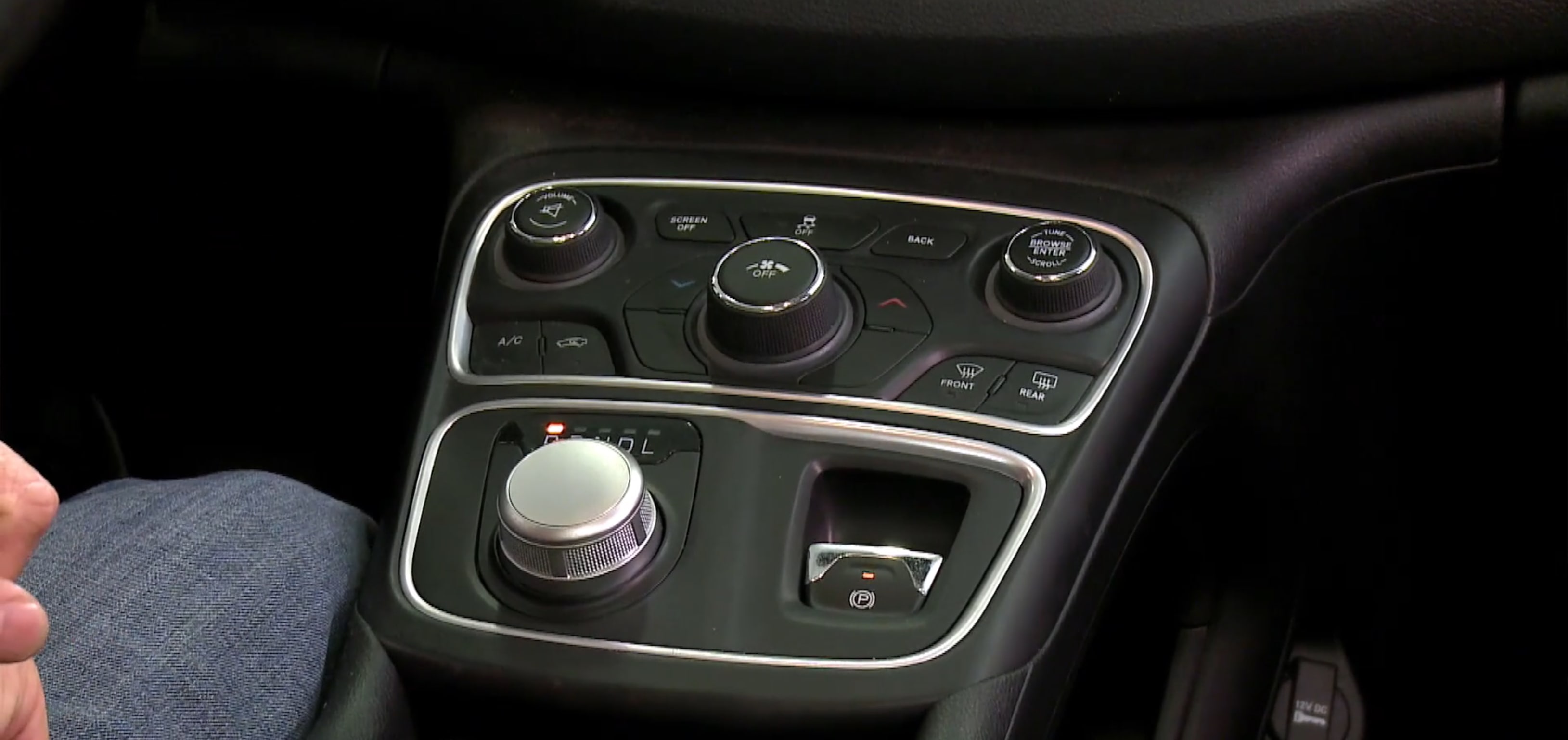
- Modern cars increasingly use electronic parking brakes, which you can engage or release with the push of a button. These systems often come with additional features like auto-hold, which keeps the brake engaged until you accelerate.
Using Your Emergency Brake Safely
Engaging the emergency brake is straightforward. If you have a hand lever, pull it up until you feel resistance. For a foot pedal, press it down completely. With an electronic brake, press the button or switch. Always ensure the brake is fully engaged before leaving your car.
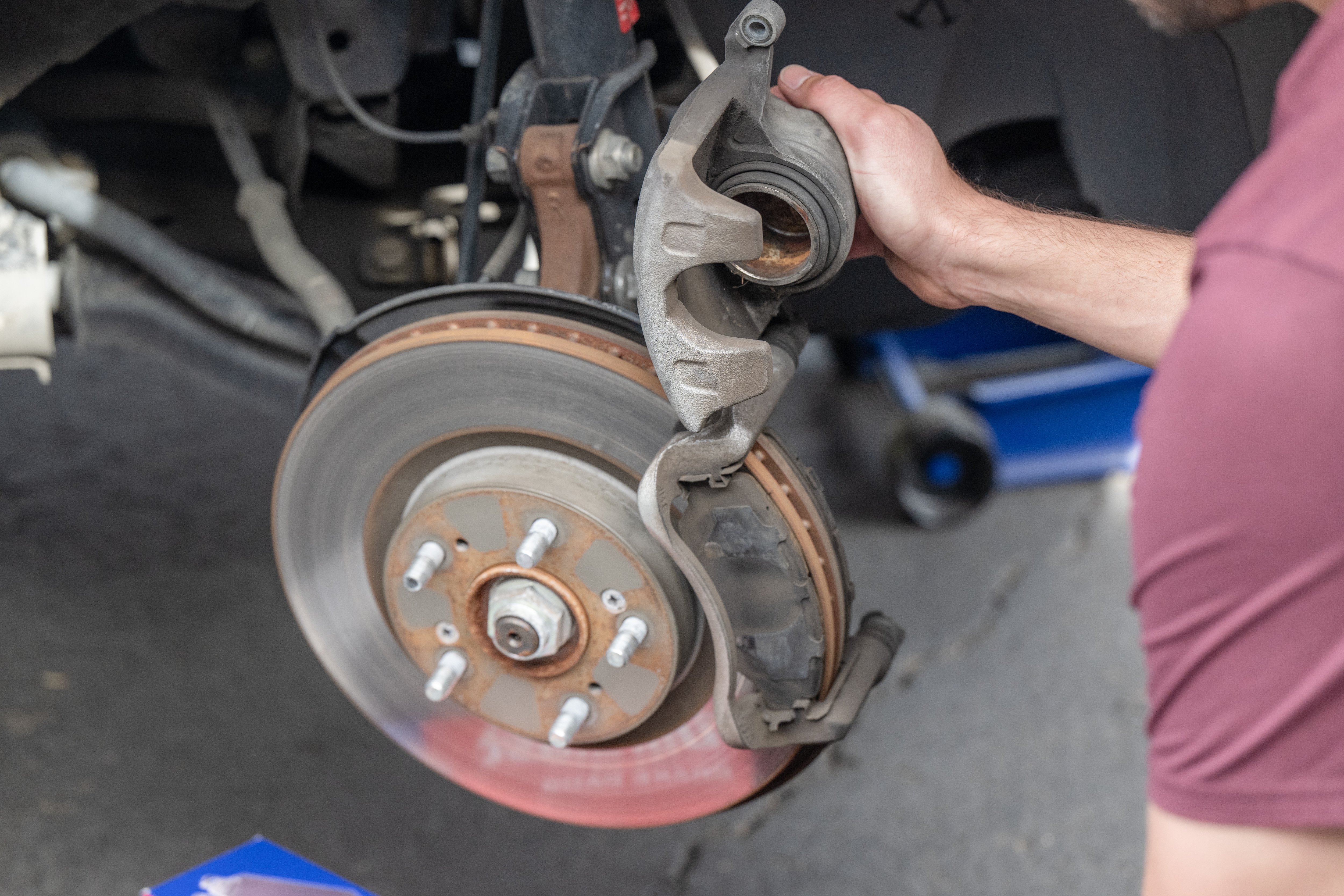
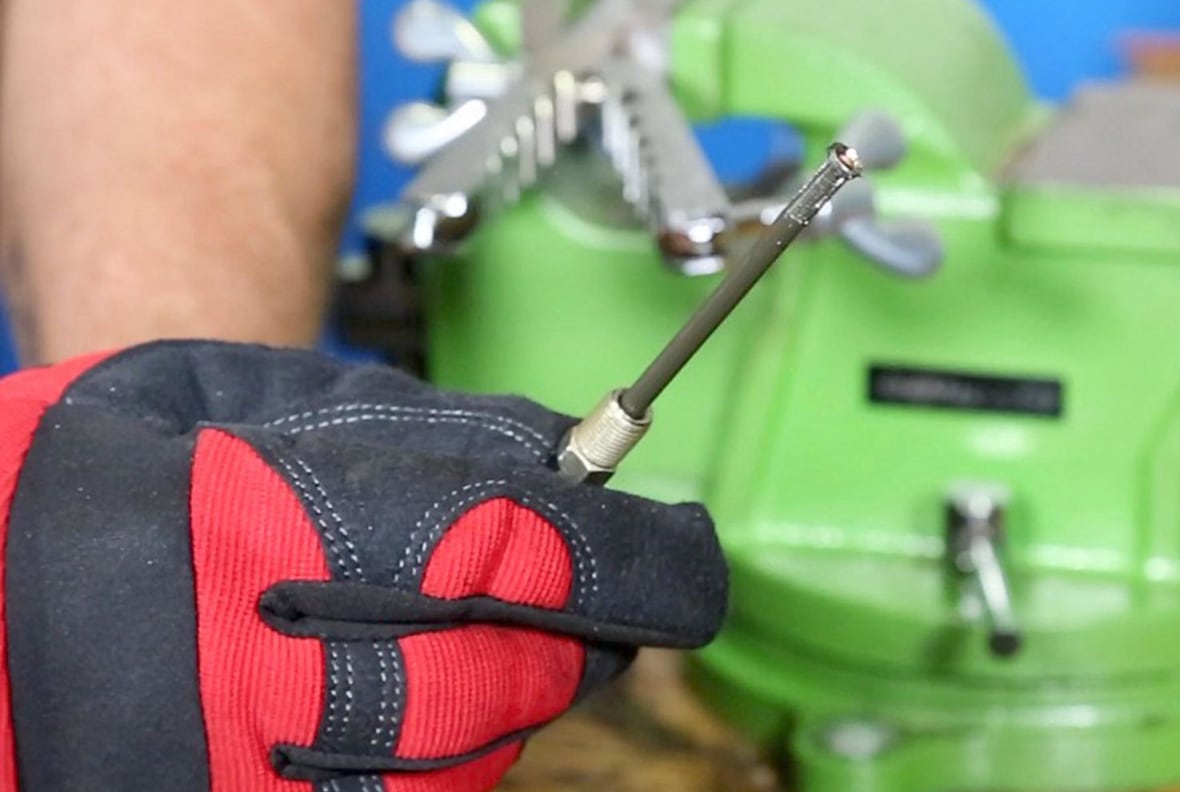
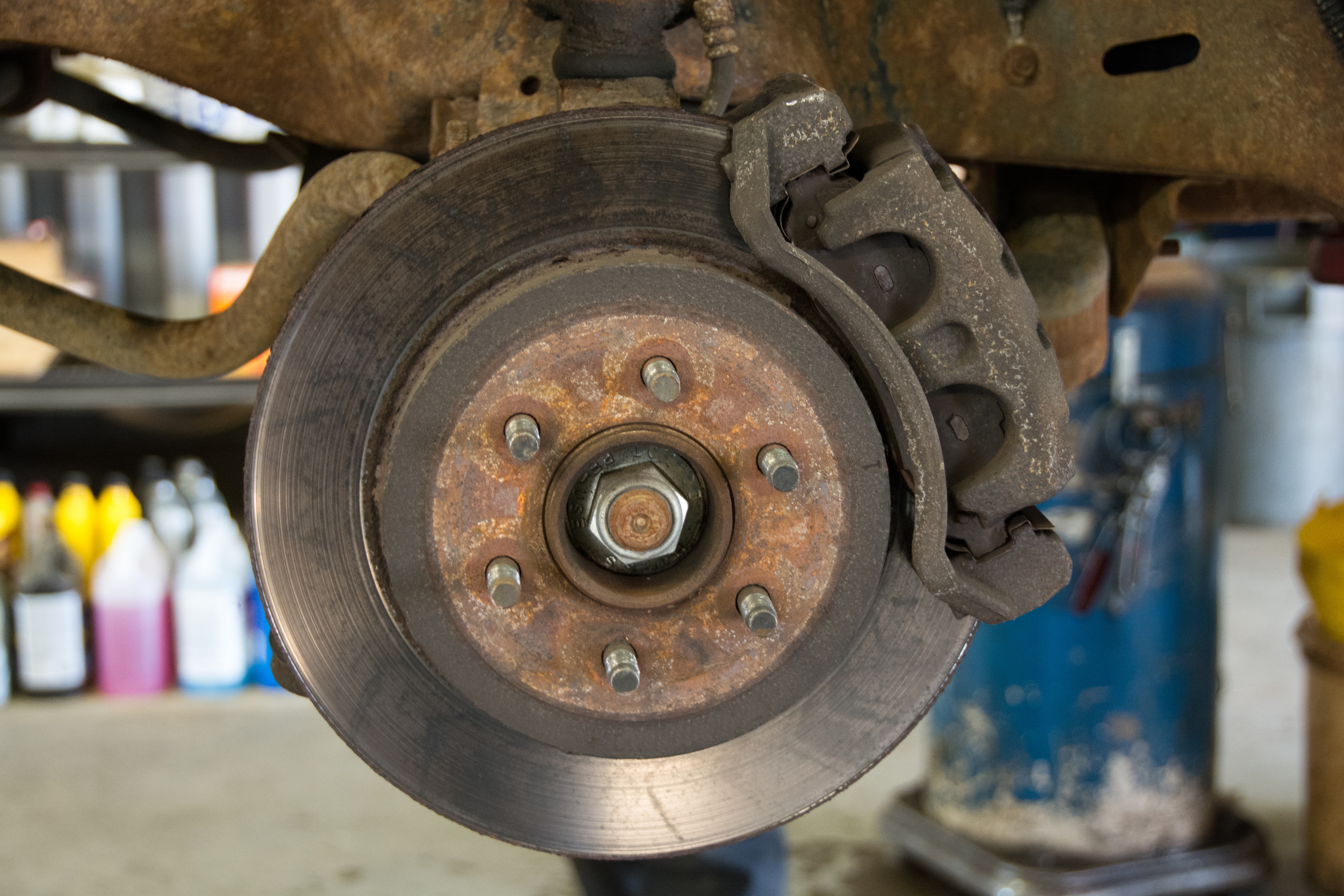
All of the styles effectively perform the same function, which is to tighten a cable attached to your rear brakes. This motion engages friction material against the brake rotor or drum, locking them up until it’s the parking brake release handle is pulled.
If you drive a car with a manual transmission, the emergency brake should be used whenever you park your car, especially on inclines. For automatic transmissions, it’s less important on flat surfaces as the transmission will prevent rolling when it’s in park. It’s also crucial to be able to use the e-brake during mechanical failures or when the primary brakes aren’t functioning. Knowing when and how to engage your emergency brake can prevent accidents and keep your vehicle secure.
To use it safely:
- Engage the emergency brake before shifting into ‘Park’ to minimize wear and tear on the transmission.
- When disengaging, make sure you’re on flat ground or have your foot on the brake pedal to avoid sudden movements.
- In emergency braking situations, try to avoid locking the brakes up completely to help you maintain control.
Emergency Brake Maintenance Tips
Rust can cause your emergency brake to seize up when it hasn’t been used, and that can prevent it from working when you need it most. Regularly inspect the brake components and keep them clean and lubricated. Simple maintenance can prevent rust from forming and ensure the brake operates smoothly.
Regularly test your emergency brake to make sure it’s working correctly. Engage and release it a few times, and check for any unusual resistance or noises. If you notice any issues like a dragging feeling or rubbing noise, check it out right away to prevent wearing out the friction material or overheating brake parts.
Even if you’re diligent about maintenance, it’s advisable to have your emergency brake checked by a professional during regular service appointments. They can spot potential issues before they become serious problems, ensuring your safety on the road.
FAQ/ People Also Ask
Related Posts