What is a Windshield Washer Reservoir?
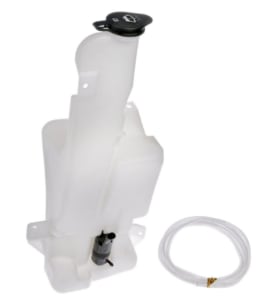
A windshield washer reservoir is a plastic container that holds the fluid used to clean your windshield. It’s made from a special plastic that resists antifreeze and ethanol. A replacement reservoir typically costs between $90 and $130 in parts and $100 and $140 in labor to have installed, and it keeps a ready supply of washer fluid so you can clean your windshield whenever it becomes dirty.
A standard windshield fluid reservoir is built to last for many years, but these containers sometimes fail. If your fluid reservoir stops holding liquid properly, it's important to know how to obtain a replacement and how to install it in your vehicle. Otherwise, you won't have a way to clean your windshield if it becomes dirty as you drive. This can lead to dangerous driving situations, especially when the roads are dirty.

What Plastic is a Washer Fluid Reservoir Made Of?
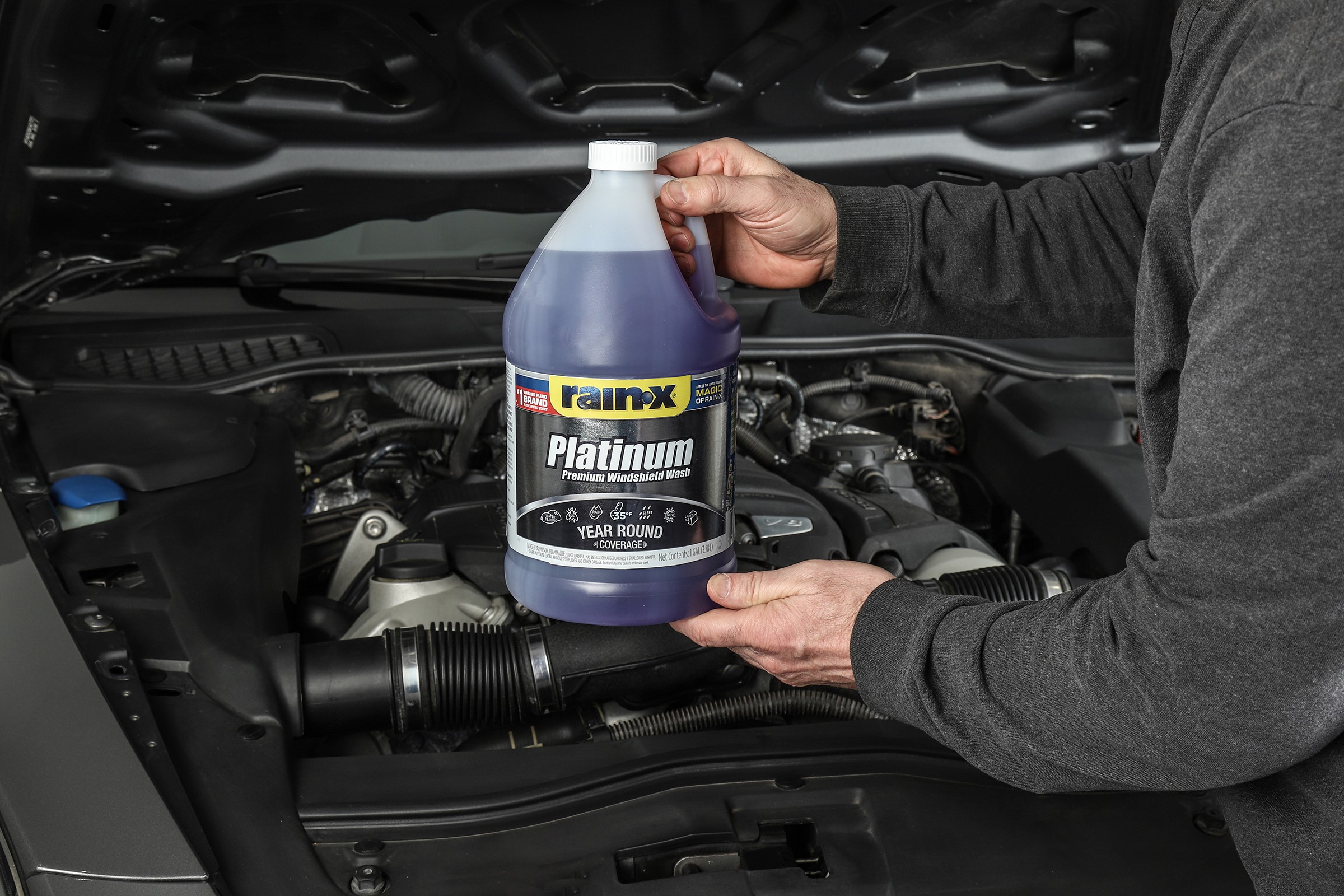
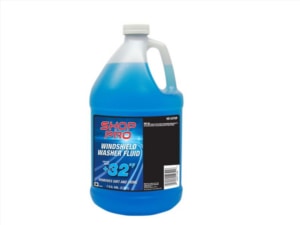
A washer fluid reservoir is typically formed from polyethylene plastic. This flexible plastic is resistant to the effects of chemicals in the washer fluid it contains and needs to hold up to different washer fluid blends over time. The special washing fluid that’s used to clean your windshield must contain antifreeze to hold up to subzero temperatures in cold climates. One of the main reasons a fluid reservoir cracks and fails is because the wrong fluid is used, and it freezes and expands to damage the bottle. Investing in a washer fluid that includes antifreeze is important, especially when driving in a climate where temperatures drop below freezing for part of the year.
Related: How To Replace Wiper Arm
How Does the Fluid Reach Your Windshield?
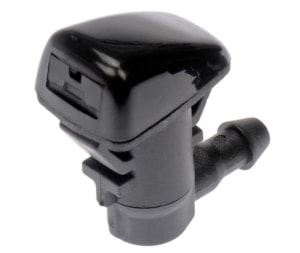
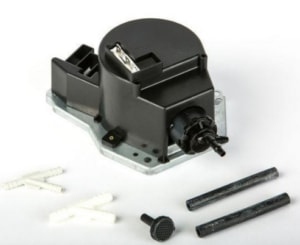
The windshield fluid reservoir holds the specialized cleaning fluid for your windshield, but a pump sends that fluid through spray nozzles mounted facing your windshield. These nozzles send a stream of spray onto your windshield, allowing you to clean off dirt, ice, and other debris so you can maintain your vision while driving.
Replacing a Damaged Windshield Washer Reservoir
If you notice your windshield washer reservoir is losing fluid rapidly, it likely has a leak somewhere in the housing. These leaks are caused by frozen fluid most of the time, and you’ll need to fully replace the reservoir to repair your vehicle. Follow the steps below to successfully replace your reservoir.
- Obtain a compatible replacement reservoir
- Remove the battery, fender, and any other parts obstructing the reservoir mounting bolts
- Unscrew the fasteners holding your fluid reservoir in place
- Remove the old reservoir and install the replacement part using the stock fasteners
- Install all the other components you removed from your vehicle
If you’re careful to obtain a compatible washer fluid reservoir for your vehicle, it can be installed as a replacement in less than an hour with standard hand tools. Sometimes, though, the reservoir is tucked behind a bumper or in a wheel well where it takes much longer to change.
Gaining access to the tank may require removing your battery, the battery tray, the fender, and other select components depending on your vehicle model. The installation process is essentially the reverse process of removal once you have full access to the mounting fasteners for the reservoir tank.
Consider Hiring a Professional
If you aren’t comfortable removing components under the hood of your vehicle, or you aren’t experienced with automotive hand tools, it’s best to hire a professional to replace your washer fluid reservoir.You seek one of our Preferred Shops to help you do the job. An experienced mechanic can install the washer fluid reservoir into your vehicle for a fair hourly rate and you’ll typically spend between $30 and $200 in parts, depending on what you drive.
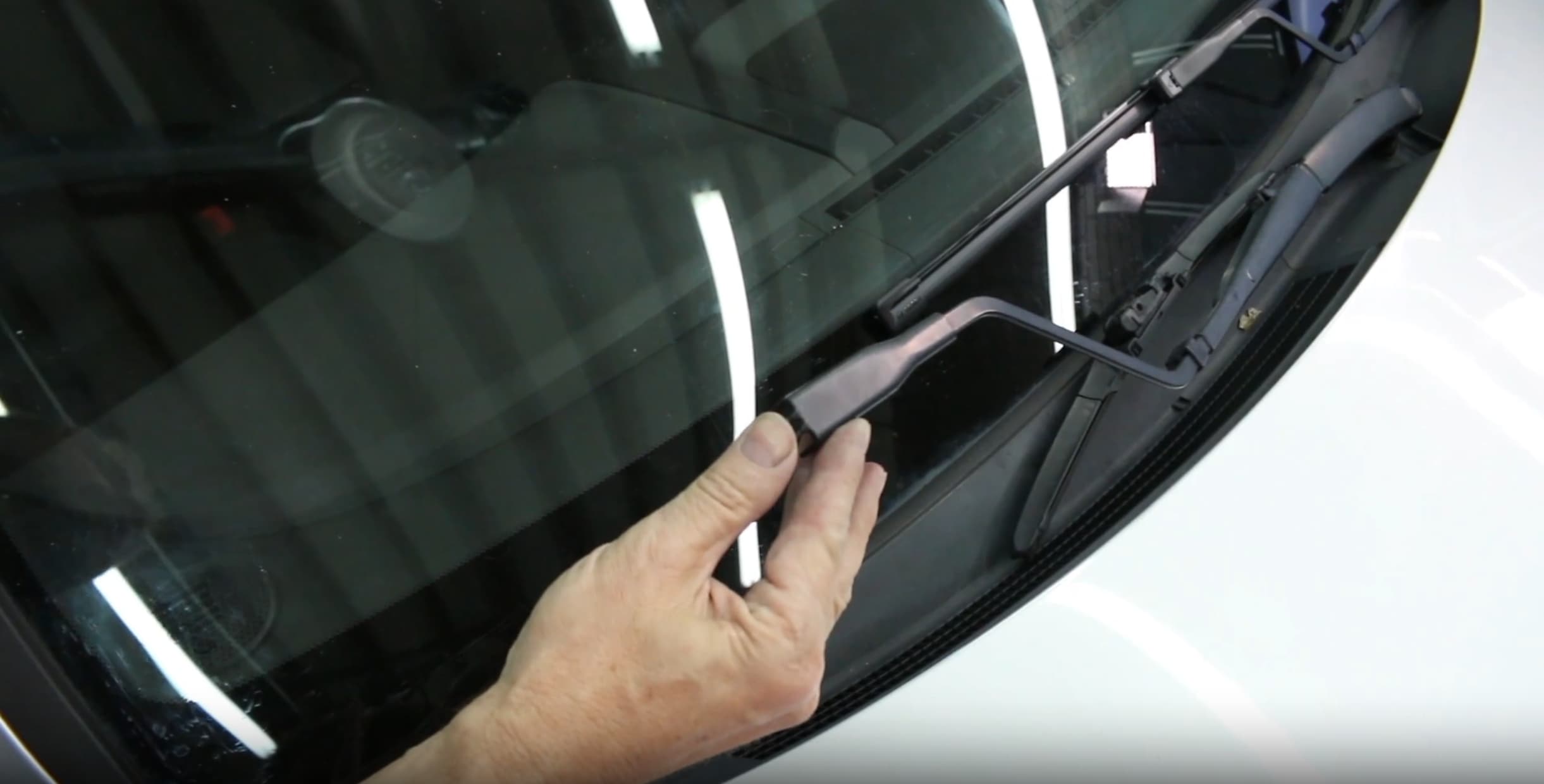
Consider having your mechanic replace the windshield wipers while they are replacing the fluid washer reservoir to keep your windshield clear in different driving conditions. Most typical wiper blades last between six months and one year before they must be replaced, but this range depends on the weather conditions that you drive in.
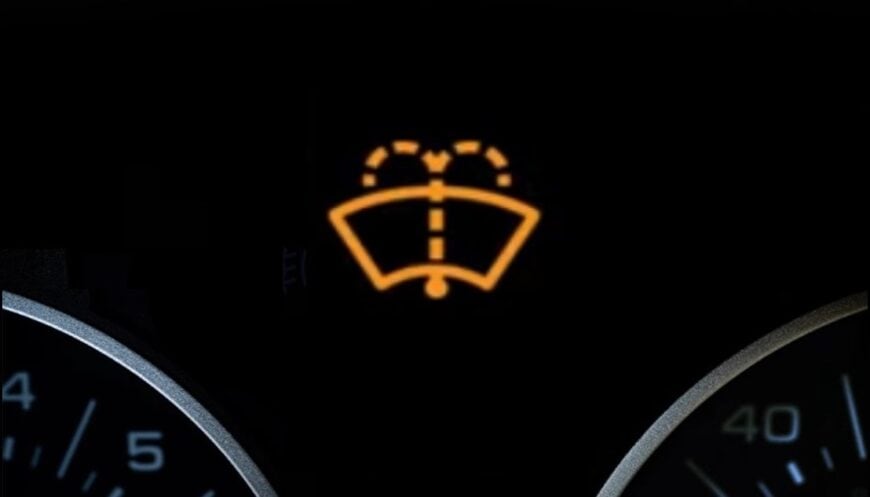
The windshield washer fluid reservoir on your vehicle is a vital part of your vehicle that helps you maintain clear vision as you drive. Always invest in high-quality washer fluid, and monitor the level in your reservoir to avoid the most common maintenance issues that will cause your reservoir to fail or malfunction. If your reservoir is still full of fluid but washing fluid isn’t being sprayed onto your windshield you may also have to check the windshield washer pump on your vehicle to be sure that hasn’t failed.
Find your windshield washer reservoir replacement at AutoZone along with wipers, washer fluid, and any other parts you need to maintain and repair your vehicle. Not sure what you need? AutoZone associates are happy to lend Trustworthy Advice to ensure your project is done smoothly.
FAQ/ People Also Ask
Related Posts